Western Skull & Flowers Pattern Review
As an embroidery designer who has spent years digitizing and testing files for commercial use, I approach every new machine embroidery design with a critical eye. It is not just about whether the image looks pretty on a screen; it is about how it translates to fabric, how it holds up in the wash, and ultimately, how it serves the brand identity of the small business owner purchasing it. Recently, I reviewed the Western Skull and Flowers Repeating Embroidery Pattern, a file that immediately caught my attention for its potential in the North America market, where rustic and western aesthetics continue to dominate boutique retail.
First Impressions: A Balance of Rustic and Refined
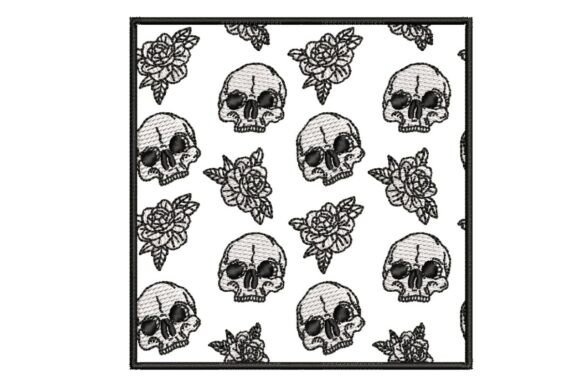
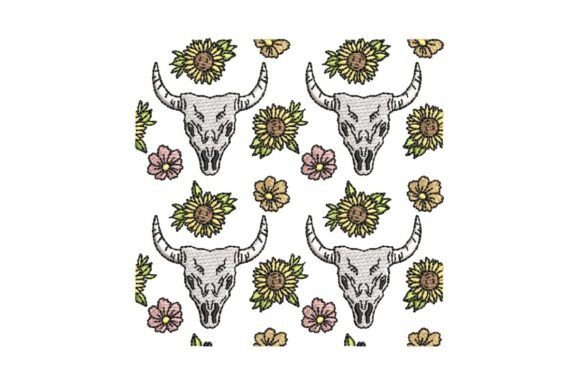
The first thing you notice about this digital embroidery file is its composition. The description highlights front-facing bull or steer skulls with large horns, stitched in grey and white. This monochromatic or limited palette approach is smart. In the world of commercial embroidery, fewer thread colors often mean faster production times and lower material costs, which is crucial for small business merch. The repeating, all-over pattern suggests versatility. It does not feel overly aggressive; instead, it strikes a balance between bold western imagery and a decorative, almost elegant floral integration.
For a handmade brand or an Etsy seller, this visual personality is key. It feels professional yet approachable. It avoids the cartoonish look that plagues many low-quality designs, offering a more premium, textured appearance that appeals to customers looking for authentic, artisanal goods. The use of grey and white allows it to sit comfortably on various fabric backgrounds without clashing, making it a safe yet stylish choice for diverse product lines.
Real-World Applications for Small Businesses
When I evaluate a design for business use, I mentally place it on different garments and accessories. Here is how the Western Skull and Flowers Repeating Embroidery Pattern performs across various applications:
- Embroidered Patches: This is perhaps the strongest use case. An all-over repeating pattern works beautifully as a fill for a custom patch. Whether applied to denim jackets, canvas bags, or hats, the repeating nature ensures that the design looks intentional and complete, even if the edges are trimmed.
- Apron Embroidery: For bakeries, florists, or coffee shops with a rustic vibe, this design can be used as a corner accent or a full-back panel on staff aprons. It adds a layer of professionalism and brand consistency without being too distracting.
- Tote Bag Design: Canvas totes are a staple for boutique merchandise. The grey and white stitching provides excellent contrast against natural beige canvas or dark navy fabrics, creating a high-end finished product that customers love to carry.
- Cap Embroidery: While complex, the skull motif can be scaled down for a side-panel accent on trucker hats or baseball caps. However, this requires careful digitizing to ensure the curves of the cap do not distort the repeating pattern.
- Custom Apparel: On work shirts or flannel button-downs, this pattern can serve as a yoke detail or a sleeve cuff accent. It elevates standard uniforms into branded fashion statements.
Strategic Placement and Technical Considerations
While the design is versatile, there are areas where caution is necessary. As a designer, I always advise checking the stitch density before running a large batch. Repeating patterns can sometimes become dense, which may cause puckering on lighter fabrics. If you are using this on a thin cotton shirt, a high-quality cut-away stabilizer is non-negotiable. For heavier materials like denim or canvas tote bags, a tear-away stabilizer might suffice, but testing is essential.
Another critical factor is fabric texture. The grey and white threads rely on contrast to define the skulls and flowers. On highly textured fabrics, such as terry cloth or rough burlap, the finer details of the flowers might get lost. I recommend this design primarily for smooth or tightly woven fabrics where the stitch definition can shine. Additionally, when using this for small patch sizes, ensure that the scaling does not merge the individual elements of the repeat. If the skulls become too small, the design loses its impact and becomes a muddy blob of thread.
For items that require frequent washing, such as staff uniforms or kitchen aprons, the durability of the stitch-out is paramount. The interplay between the skull horns and the floral elements needs to be securely anchored. I suggest running a wash test on your sample piece to check for any thread breakage or fabric distortion before delivering the final custom apparel to a client.
Enhancing Brand Identity and Customer Trust
In the competitive landscape of small business merch, consistency is king. Using a cohesive design like the Western Skull and Flowers Repeating Embroidery Pattern helps build a recognizable brand identity. When customers see this specific aesthetic on your tote bags, patches, and packaging accents, it reinforces your brand’s narrative. It signals attention to detail and a commitment to quality.
Furthermore, high-quality embroidery adds perceived value. A simple t-shirt becomes a premium item when adorned with a well-executed, intricate design. This increase in perceived value allows small business owners to command higher price points, improving profit margins. It also fosters customer trust; buyers associate clean, professional embroidery with a reliable and established brand.
Designer Notes for Best Results
To get the most out of this embroidery file, follow these practical steps before full-scale production:
- Test in Black and White First: Before committing to colored threads, stitch out the design in black and white. This helps you evaluate the contrast and clarity of the shapes without the distraction of color.
- Check Hoop Size Compatibility: Since the description does not specify exact dimensions, confirm the hoop size requirements with the file provider. Ensure your machine can handle the repeat length if you are doing an all-over print style.
- Create a Printable Mockup: Use digital tools to place the design on photos of your actual products. This helps visualize the scale and placement, allowing for client approval or internal review before stitching.
- Review Thread Color Contrast: If you deviate from the suggested grey and white, ensure your chosen thread colors have enough contrast against your fabric. Low-contrast combinations can make the design disappear from a distance.
- Confirm Commercial Licensing: Always verify the license terms. Ensure that the design assets are cleared for commercial use, especially if you are selling the finished products directly to consumers.
In conclusion, the Western Skull and Flowers Repeating Embroidery Pattern is a strong contender for small business owners looking to add a touch of rustic elegance to their merchandise. With proper testing and strategic placement, it can become a signature element of your brand, enhancing both the aesthetic appeal and the commercial value of your products. Whether you are creating handmade product lines for Etsy or outfitting a local café, this design offers the flexibility and professional finish needed to stand out in the North America market.