Reviewing Layers of Maine Embroidery Files for Craft Fairs
As an embroidery designer who has spent countless weekends behind a booth table, I know that the difference between a browsing customer and a buying customer often comes down to visual impact. When I first loaded the Layers of Maine Embroidery Files into my digitizing software, my immediate thought was about versatility. This is not just another generic motif; it is a curated collection that speaks directly to the regional pride and rustic aesthetic that dominates the North America handmade market. For those of us running small shops or selling on Etsy, finding a machine embroidery design that balances artistic flair with production efficiency is rare. This review breaks down how this specific embroidery file performs in the real world, from the hoop to the sales counter.
First Impressions: Rustic Charm Meets Modern Appliqué
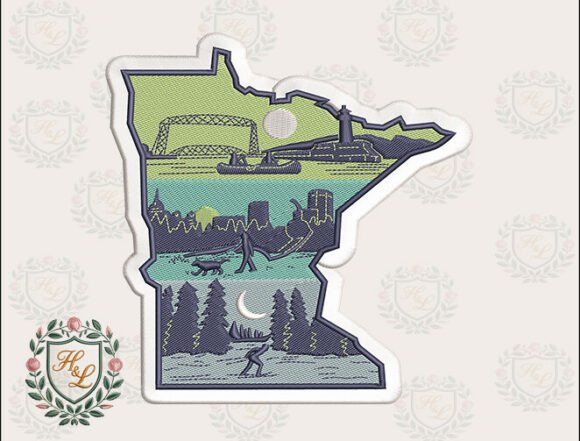
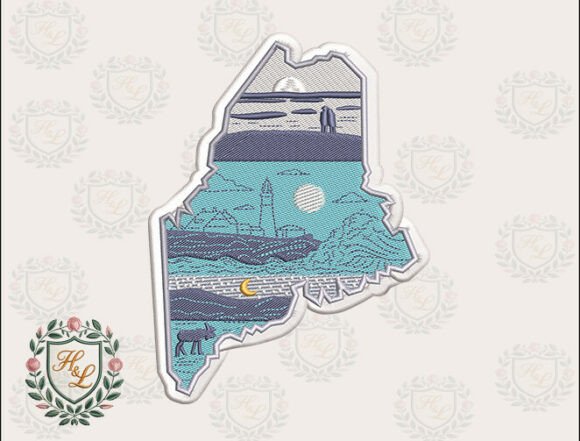
The title "Layers of Maine" suggests depth and texture, and the design delivers on that promise. Upon initial inspection, the aesthetic feels distinctly rustic yet polished. It avoids the cluttered look of overly complex traditional folk art, opting instead for a cleaner, more modern approach to regional imagery. The use of appliqué in this digital embroidery file is a smart choice for craft fair sellers. Appliqué reduces stitch count while maximizing visual surface area, meaning you get a bold, eye-catching finished product without tying up your machine for hours on a single item.
The color palette implied by the design—likely featuring deep greens, ocean blues, and warm neutrals—lends itself beautifully to the current trend of cottagecore and farmhouse decor. It feels premium rather than kitschy. This is crucial because customers at high-end craft fairs are looking for handmade products that feel intentional and high-quality. The design does not scream "souvenir shop"; it whispers "artisan boutique."
Product Versatility: From Tote Bags to Tea Towels
The true test of any design assets package is how well it translates across different substrates. I mentally placed this design on several key craft fair product categories to evaluate its potential.
- Tote Bags and Market Bags: This is arguably the strongest application. A large-scale version of the Layers of Maine Embroidery Files centered on a canvas tote creates an instant bestseller. The appliqué elements hold up well against the coarse weave of canvas, and the design is large enough to be seen from three feet away, which is essential for drawing people to your booth.
- Apron Embroidery: For kitchen-focused buyers, placing a smaller iteration of the design on the bib of a linen apron adds significant value. It transforms a utility item into a giftable keepsake. The layering effect looks particularly charming here, suggesting a love for coastal cooking and hosting.
- Tea Towel Embroidery: This requires caution. Because tea towels have a distinct fabric texture, you must ensure the stabilizer is robust. However, if scaled correctly, the design makes for an elegant set. It works best as a corner accent rather than a full-center piece to maintain the towel's functionality.
- Embroidered Patches: Creating iron-on or sew-on patches is a fantastic way to utilize leftover hoop time. The bold lines of the Maine-themed imagery translate well to smaller sizes, provided you avoid tiny details that might get lost in the density of the patch backing.
Production Practicality for the Small Shop Owner
For the Etsy seller or weekend warrior, time is money. One of the most appealing aspects of this commercial embroidery ready design is its repeatability. Because it relies on appliqué, you can batch produce items more efficiently. You can cut multiple fabric shapes in one sitting and then run them through the machine in an assembly-line fashion. This efficiency allows you to keep your booth stocked without burning out before the season even starts.
Photography is another critical factor. This design photographs exceptionally well for online listings. The contrast between the appliqué fabric and the base garment creates natural shadows and depth, making your printable mockup or actual product photos pop on social media feeds. It stops the scroll. Whether you are creating a tote bag design for Instagram ads or a flat lay for Pinterest, the layered elements provide visual interest that flat prints simply cannot match.
Critical Technical Considerations
While the design is strong, no embroidery file is plug-and-play without some designer intuition. Here are the practical notes I jotted down while evaluating the technical side:
- Stitch Density and Fabric Choice: Always test the design on scrap fabric first. If you are using a lightweight cotton for a shirt, ensure the stitch density isn't too high, or you will experience puckering. Use a cut-away stabilizer for garments that will be washed frequently, like shirts and tote bags, to maintain shape.
- Thread Colors: The success of this design hinges on contrast. Do not be afraid to experiment with thread colors that differ slightly from the appliqué fabric to outline the layers effectively. This definition is what gives the "Layers" concept its name.
- Hoop Size: Check the specific dimensions included in the file package. Ensure your hoop size matches the largest version of the design. If you only have a 4x4 hoop, you may need to resize the design, which can alter stitch density and clarity. Always verify the recommended hoop size before purchasing.
- Curved Surfaces: If applying this to caps, be mindful of the curvature. The center of the design should align with the highest point of the cap. Avoid placing dense appliqué edges too close to the seam where the brim meets the crown, as this can cause hooping difficulties.
Boosting Brand Consistency and Buyer Engagement
Using a cohesive theme like Layers of Maine Embroidery Files helps build brand consistency. If your shop focuses on Northeastern heritage or coastal living, this design becomes a cornerstone of your visual identity. It signals to customers that you understand their lifestyle and values. This emotional connection drives buyer engagement. Customers are not just buying a pillow cover; they are buying a piece of home.
Furthermore, the perceived value of an appliqué design is higher than a simple satin stitch motif. It looks like more work went into it, which justifies a higher price point. For the small shop product line, this means better margins. When displayed in a booth, these items stand out against mass-produced goods because of the tactile nature of the layered fabric.
Final Verdict for the Creative Entrepreneur
Before you commit to full production, remember to check the commercial licensing terms included with your download. Not all digital embroidery file creators offer the same rights for finished goods. Assuming the license permits commercial use, this design is a low-risk, high-reward addition to your library.
Create at least one real mockup on your intended primary product—whether that is a tote or an apron—and compare it against your current bestsellers. Look at the spacing, the cleanliness of the trim around the appliqué, and the overall balance. If it passes the "three-foot test" (looking good from three feet away) and the "touch test" (feeling soft and well-finished), it is ready for your store.
In conclusion, the Layers of Maine Embroidery Files offer a sophisticated, regionally inspired option for makers who want to elevate their handmade product offerings. It bridges the gap between traditional craftsmanship and modern market trends, making it an excellent choice for anyone looking to strengthen their presence in the competitive world of creative entrepreneurship.