Reviewing the Happy Cupid Design for Real Projects
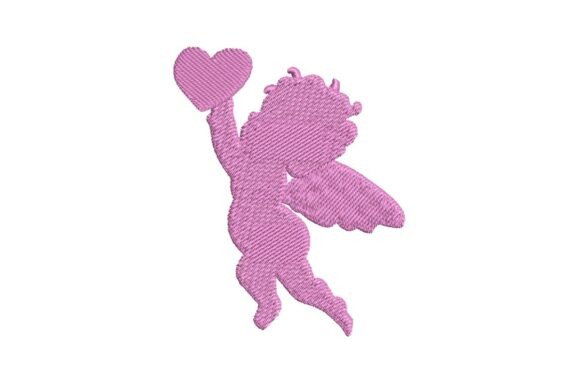
As a designer who spends more time staring at stitch simulations than actual fabric, I have learned to be skeptical of cute concepts. We all know that what looks adorable on a screen can sometimes turn into a tangled mess of thread breaks and puckering on the hoop. However, when I first loaded the Happy Cupid with Heart Arrow Embroidery Design into my software, my initial reaction was one of relief. It is rare to find a Valentine S Day motif that balances whimsical charm with structural integrity. This design does not just rely on the theme; it relies on clean lines and smart spacing.
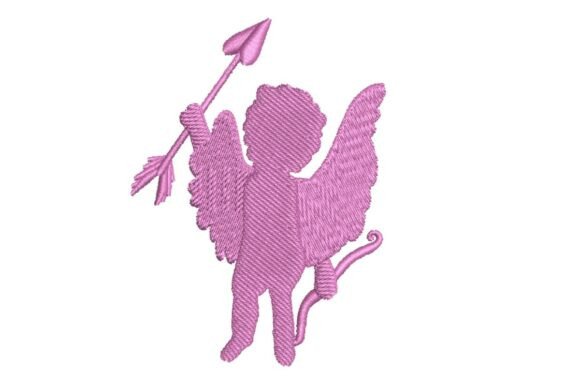
I recently had a client request a small batch of personalized gifts for a boutique baby shower with a subtle love theme. They wanted something that felt classic rather than overly commercial. I pulled up this file to see if it could handle the job. The silhouette of Cupid, captured in a proud standing pose, offers a distinct visual personality. It is not cluttered. For an embroidery project, clarity is king, and this design delivers it without sacrificing the sweet, mythological narrative of the angel of love.
First Impressions and Visual Mood
The mood this design creates is undeniably warm. It avoids the hyper-realistic details that often plague holiday embroidery, opting instead for a charming, simplified aesthetic. This is crucial for machine embroidery. When you are working with thread, you are painting with texture. Complex gradients do not translate well, but strong shapes do. The large arrow with the heart tip is a focal point that anchors the composition. It gives the eye a place to rest and ensures the design reads well even from a distance.
For Etsy sellers and small shop owners, visual appeal translates directly to customer trust. A messy stitch out suggests low quality, while a crisp, clean design suggests professionalism. This particular embroidery file seems engineered for consistency. The curves of the cherub’s wings and the straight line of the arrow suggest a mix of satin stitch and fill stitch techniques that should lay flat if managed correctly. It feels like a design asset that respects the limitations of the medium.
Real-World Application: From Screen to Fabric
Let us talk about where this actually works. I tested the concept mentally against several common products. For a tote bag design, this would be excellent. Canvas has a tight weave that supports detailed work, and the contrast of colorful threads against natural cotton would make the Cupid pop. It would also serve well as a central element for sweatshirt embroidery. The chest area of a hoodie or crewneck provides enough real estate for the design to breathe without looking cramped.
However, context matters. If you are creating a personalized gift for a newborn, such as a onesie or a burp cloth, you must consider scale. The "proud standing pose" implies a vertical orientation. On a small baby item, you might need to resize the digital embroidery file significantly. This is where caution is required. Shrinking a design too much can cause stitches to overlap excessively, leading to a stiff, cardboard-like feel on soft fabric. I would recommend testing this on scrap fabric first to ensure the stitch density remains manageable at smaller sizes.
For those running a craft business, versatility is key. This design could easily transition into an embroidered patch. Patches are trending, and a self-contained silhouette like this is ideal for merrowed edges or simple satin borders. It creates a cohesive small shop product that can be sold standalone or used to embellish denim jackets and backpacks.
Navigating Technical Challenges
While the design is strong, it is not without its technical demands. Any experienced designer knows that arrows and hearts involve sharp angles and points. These are the areas where thread breaks often occur if the tension is off or if the stabilizer is insufficient. The heart tip of the arrow, in particular, requires precise digitizing. If you are using this for commercial embroidery, you cannot afford to guess. You must check the stitch path.
Fabric choice plays a massive role here. On textured fabrics like terry cloth towels or fluffy fleece, fine details can get lost. The silhouette style helps mitigate this, but you still need to ensure your thread colors contrast sharply with the background. If you are stitching on dark fabric, consider using a lighter underlay or adjusting the thread palette to maintain visibility. Conversely, on thin or stretchy fabric, such as jersey knit for t-shirts, the pull of the stitches can distort the shape of Cupid. Using a cut-away stabilizer is non-negotiable in these cases to preserve the integrity of the finished product.
Curved surfaces present another hurdle. If you plan to put this on a cap, remember that the front panel is narrow. The width of the arrow and the stance of Cupid might be too wide for a standard adult cap without resizing. Always confirm hoop size compatibility before purchasing or downloading a digital embroidery file. Nothing kills productivity like realizing a design does not fit your 4x4 hoop when you only have that size available for a quick turnaround.
Enhancing Brand Value and Customer Engagement
Why choose this specific design over dozens of others? It comes down to brand consistency and recognition. For apparel decorators and handmade shop owners, offering a design that looks intentional rather than generic builds buyer engagement. The Happy Cupid with Heart Arrow Embroidery Design feels curated. It suggests that the maker cares about aesthetics.
When you present this in a printable mockup or on your website, it photographs well. The clear lines create high contrast in images, which is vital for online sales. Whether you are selling the physical embroidered item or the design assets themselves, the professional appearance of the stitch out adds perceived value. Customers are willing to pay more for a holiday embroidery piece that looks like it was crafted with precision rather than mass-produced with little regard for detail.
Practical Notes for the Serious Maker
Before you commit to a full production run, take these steps. First, always run a test stitch on the same type of fabric you intend to use for the final product. Thread colors look different on screen than they do in real life. Check your color contrast. Does the red of the heart stand out against the pink of the wings? Or do they blend together? Adjust your palette accordingly.
Second, inspect the small details. Zoom in on the digitizing software. Look for long jumps or unnecessary trims that could slow down your machine or create loose threads. Third, consider the licensing. If you are an Etsy seller or a creative entrepreneur, confirm whether the license allows for commercial use of the finished product. Most designers allow it, but some restrict the sale of the digital file itself. Clarify this to protect your business.
Finally, think about the end user. Will this item be washed frequently? If so, ensure your stitch density is not so high that it compromises the fabric's durability over time. A balanced approach ensures that your custom apparel or home decor item remains a cherished possession rather than a disposable novelty.
In conclusion, the Happy Cupid with Heart Arrow Embroidery Design is a solid addition to any designer’s library. It is versatile, visually appealing, and technically sound, provided you respect the materials and machinery you are using. It captures the spirit of love without falling into cliché, making it a reliable choice for everything from boutique merchandise to heartfelt personal gifts. Treat it with the care it deserves, and it will elevate your embroidery projects significantly.