Reviewing the Classic Winter Christmas Tree Embroidery Design
As a designer who has spent countless hours digitizing and stitching out holiday motifs, I approach every new machine embroidery design with a mix of optimism and skepticism. The market is flooded with seasonal graphics, but few strike the right balance between visual charm and technical stitchability. When I first loaded the Classic Winter Christmas Tree Embroidery into my software, I was looking for more than just a pretty picture. I needed to know if this design would hold up on a real product, survive the wash cycle, and appeal to customers who value quality craftsmanship.
This review comes from the perspective of someone who uses these files to create tangible goods. Whether you are an Etsy seller preparing for the holiday rush, a boutique owner curating festive home decor, or a hobbyist making personalized gifts, understanding how a design behaves under the needle is crucial. Here is my practical assessment of this tree motif based on real-world application.
First Impressions and Visual Personality
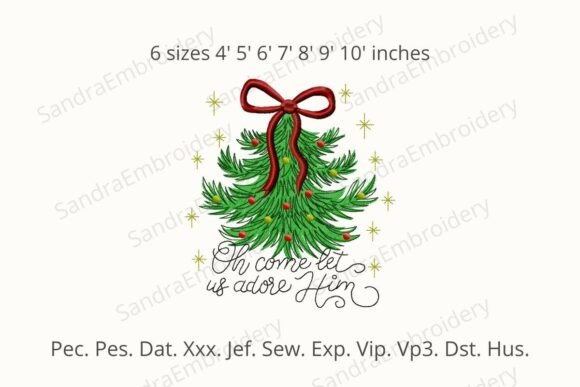
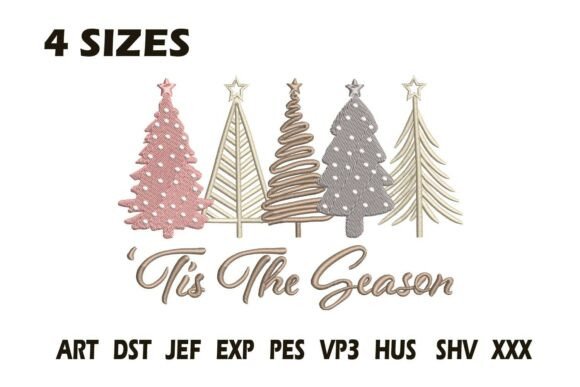
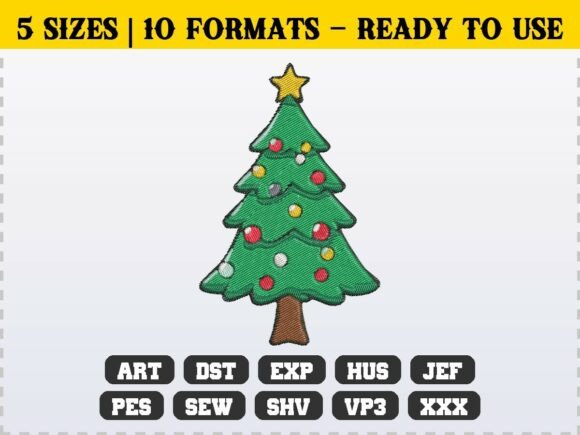
The immediate appeal of the Classic Winter Christmas Tree Embroidery lies in its timeless aesthetic. It avoids the overly cartoonish look that plagues many digital downloads, opting instead for a decorated tree that feels traditional and warm. The layout suggests a balanced composition, likely featuring a mix of fill stitch for the foliage and satin stitch or running stitches for ornaments and garlands. This combination is vital because it creates texture without excessive bulk.
In terms of mood, the design evokes nostalgia. It fits seamlessly into projects that aim for a cozy, handmade feel. For a designer, this means the artwork is versatile. It does not scream "novelty item" but rather suggests a thoughtful, curated piece. When I visualize this on a mockup, it looks equally at home on a rustic linen towel as it does on a modern cotton tote. The visual personality is quiet confidence, which is exactly what buyers look for in high-end handmade products.
Real-World Application: From Mockup to Market
To truly test a design, you must imagine it on specific substrates. I recently considered using this tree for a line of custom sweatshirt embroidery aimed at young families. The central question was whether the details would get lost in the fleece texture. Because the design appears to have clear separation between the tree shape and its decorations, it translates well to textured fabrics. However, I would recommend using a cut-away stabilizer to ensure the heavier knit fabric does not distort the stitches over time.
Another excellent use case is the tote bag design. Canvas bags are sturdy, but they can pucker if the stitch density is too high. If this embroidery file utilizes smart underlay stitching, it should sit flat on canvas without pulling. I also see potential for baby embroidery projects, such as bibs or blanket corners. For these items, the scale of the tree matters immensely. A smaller version of this design could serve as a delicate accent, provided the small details like star tips or ornament centers are not so tiny that they become loose threads after washing.
For those running a craft business, this design serves as a strong anchor for holiday collections. It works well for embroidered patches that can be ironed onto jackets or hats. Patches require dense stitching to prevent fraying edges, so checking the border definition of this design is essential before committing to production.
Technical Considerations and Fabric Compatibility
While the aesthetic is strong, technical execution determines the success of the finished product. One area where designers must exercise caution is fabric choice. Dark fabrics can hide subtle shading if the thread colors do not have enough contrast. I always advise testing the design on both light and dark scraps. If the tree relies on green-on-green shading, it might disappear on a forest green hoodie. In such cases, swapping thread palettes for higher contrast is necessary.
Stretchy fabrics present another challenge. If you plan to use this on performance wear or thin jersey, the stitch density becomes a critical factor. High-density fills can cause puckering, ruining the professional look of your custom apparel. I recommend hooping the fabric with a stabilizer that matches the weight of the garment. For caps and curved surfaces, ensure the design width fits within the standard cap frame limits. A wide tree base might distort when stitched on a curved panel, so centering and scaling are key steps in the preprocessing stage.
Additionally, consider the complexity of small details. If the design includes tiny bells or intricate garlands, verify that your machine can handle the micro-stitches. Older machines may struggle with very short stitch lengths, leading to thread breaks or bird nests. Always run a test stitch-out on scrap fabric identical to your final material. This simple step saves hours of frustration and protects your reputation as a reliable seller.
Enhancing Brand Value and Customer Trust
Using a well-digitized design like the Classic Winter Christmas Tree Embroidery directly impacts perceived value. Customers can tell the difference between a sloppy, pixelated stitch-out and a crisp, professional embroidery project. Clean lines and consistent tension build trust. When a buyer receives a personalized gift that looks polished, they are more likely to leave positive reviews and return for future purchases.
This design supports brand consistency for shops focusing on traditional or rustic themes. It pairs well with other holiday motifs, such as snowflakes or stockings, creating a cohesive collection. For digital embroidery file sellers, offering this design in multiple hoop sizes adds significant value. Buyers appreciate flexibility, allowing them to choose the size that best fits their specific project, whether it is a large pillow cover or a small napkin corner.
Practical Designer Notes for Best Results
Before you integrate this design into your commercial workflow, keep these practical tips in mind:
- Check Licensing: Confirm whether the file allows for commercial use. Most designers permit selling finished physical items, but reselling the digital file itself is usually prohibited. Always read the terms included with your download.
- Test Stitch Density: If the tree looks too solid, it may be too dense for lightweight fabrics. Consider using a lighter weight thread or adjusting tension if your machine allows.
- Color Contrast: Use a black and white mockup to check value contrast. If the ornaments blend into the tree branches in grayscale, they will likely lack definition in color.
- Stabilizer Selection: Match your stabilizer to your fabric. Use tear-away for stable woven fabrics like towels and cut-away for knits like sweatshirts.
- Hoop Size Verification: Ensure the design dimensions fit your available hoops. Do not stretch a small design to fit a large hoop, as this distorts the aspect ratio and ruins the visual balance.
In conclusion, the Classic Winter Christmas Tree Embroidery is a solid addition to any holiday design library. It offers the classic charm needed for seasonal sales while maintaining the structural integrity required for professional results. By paying attention to fabric choice, stabilization, and thread selection, you can transform this digital asset into a standout small shop product that delights customers and elevates your brand.