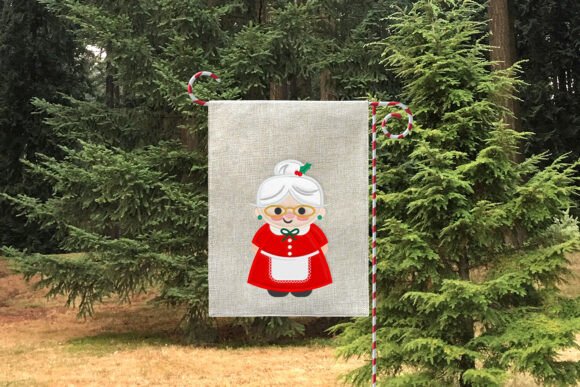
Review: Mrs Claus Applique Embroidery for Holiday Projects
As a designer who spends half the year prepping for the holiday rush, I have stitched thousands of festive motifs. From intricate snowflakes to bold Santa faces, I have learned that not every machine embroidery design translates well from screen to fabric. When I first loaded the Mrs Claus Applique Embroidery file into my software, I was looking for more than just cuteness. I needed a design that would hold up on a tote bag, look crisp on a sweatshirt, and survive the wash cycle without puckering. Here is my practical assessment of how this design performs in real-world embroidery project scenarios.
First Impressions and Visual Personality
The immediate appeal of this applique design is its warmth. It captures the classic, cozy essence of Mrs. Claus without relying on overly complex detailing that can bog down a machine. The layout is balanced, with a clear focal point that draws the eye. For a Christmas theme, it strikes the right note between traditional and playful. It does not scream for attention; rather, it invites a closer look. This subtlety is crucial for handmade product lines where you want the item to feel high-end rather than novelty-grade.
The silhouette is clean, which is essential for applique work. Cluttered edges often lead to fraying fabric or messy trim stitches. This design appears to have well-defined boundaries, suggesting that the placement stitch and tack-down stitch will do their job effectively. For Etsy sellers and craft business owners, this means less time spent trimming loose threads and more time packaging orders.
Real-World Application: The Tote Bag Test
To truly evaluate an embroidery file, you must imagine it on a specific substrate. I visualized this design on a natural canvas tote bag design. Canvas has a distinct fabric texture that can swallow small details if the stitch density is too low. However, since this is an applique piece, the fabric fill does the heavy lifting. The surrounding stitches act as a frame.
In this scenario, the design shines. The contrast between the red and white thread colors typically used for Mrs. Claus pops beautifully against neutral canvas. It transforms a simple bag into a personalized gift or a boutique small shop product. I also considered it for sweatshirt embroidery. On fleece or cotton blends, the applique method prevents the stiffness that often comes with large solid fill areas. The result is a soft, flexible finished product that customers actually want to wear.
Versatility Across Products
Beyond bags and apparel, this motif works well for holiday embroidery on home goods. Imagine it on a kitchen towel or a pillow cover. The scale seems appropriate for these mid-sized items. For baby embroidery, such as a onesie or bib, the smaller sizes included in the package become relevant. Here, the design’s simplicity is an asset. Babies move, and parents wash clothes frequently. A design with fewer dense stitch areas is less likely to irritate sensitive skin or distort the fabric after multiple washes.
For those creating embroidered patch products, this design is a strong candidate. The clear outlines make it easy to cut around, whether you are using a hot-cut machine or scissors. Patches are a trending item for commercial embroidery shops, and a recognizable character like Mrs. Claus sells well during the fourth quarter.
Technical Considerations and Stitch Behavior
The product description notes that some details change from satin to bean stitch at the smallest size. This is a critical technical detail for any serious embroiderer. Satin stitches are beautiful but can be problematic on tiny elements because they require high density and precise tension. If the design automatically switches to a bean stitch (a three-pass running stitch) for smaller sizes, it indicates thoughtful programming. This adjustment prevents thread breaks and reduces bulk.
However, this transition requires your attention. When scaling the design, always check the preview. Ensure that the switch in stitch type does not alter the visual weight of the design too drastically. For custom apparel, consistency is key. If you are selling a set of matching family pajamas, you want the adult size and the child size to look visually similar, even if the internal stitch structure differs.
Stitch density is another factor. Applique designs generally have lower overall density than full-fill designs, which is good for stretchy fabrics. But you must still use the correct stabilizer. For knits like t-shirts or sweatshirts, a cut-away stabilizer is recommended to support the weight of the applique fabric and the border stitches. For woven fabrics like linen or canvas, a tear-away may suffice, but testing is non-negotiable.
Where to Use Caution
While versatile, this design is not universal. I would hesitate to place it on very thin, slippery fabrics like silk or rayon without extensive stabilization and testing. The applique process involves multiple steps: placement, tack-down, trim, and finish. Each step introduces potential for shifting. On unstable fabrics, this risk increases.
Additionally, consider the hoop size relative to the design. If you are using the largest size included, ensure your hoop can accommodate it with enough margin for the frame. Crowding a design near the edge of the hoop can lead to needle hits or distorted stitching. For curved surfaces like caps, standard flat embroidery might not lay correctly unless you have a cap frame and experience with 3D puff or specialized applique techniques. This design appears suited for flat surfaces primarily.
Dark fabrics present another challenge. If you are stitching Mrs. Claus on a black hoodie, you must ensure the placement stitch is visible. Sometimes, a contrasting thread color for the temporary placement stitch helps, but remember to remove it or hide it within the final design. Also, check if the design includes a background element. If it relies on the garment color for the background, dark fabrics will change the entire look of the piece.
Enhancing Brand Value and Customer Trust
For digital embroidery file sellers and design assets creators, the quality of your source file reflects on your brand. A well-digitized applique like this one helps maintain brand consistency. When customers receive a printed mockup or a physical item that looks professional, their trust in your craft business grows. Clean edges, proper underlay, and logical stitch paths are invisible to the average buyer but obvious to fellow makers. Delivering a high-quality finished product leads to better reviews and repeat business.
Using reliable designs also speeds up production. You spend less time fixing errors and more time fulfilling orders. In the fast-paced holiday season, efficiency is profit. This design’s straightforward nature suggests it is optimized for speed without sacrificing aesthetic appeal.
Practical Designer Notes for Implementation
- Test on Scrap Fabric: Always stitch a test sample on the same material you plan to use for the final product. Check for registration issues where the satin stitch meets the applique fabric.
- Check Thread Contrast: Choose thread colors that complement the applique fabric. High contrast creates a cartoonish look; low contrast creates a subtle, elegant look. Decide which fits your brand.
- Review Small Details: Zoom in on the digital preview. Look for any stray stitches or overly dense areas that might cause puckering.
- Confirm Licensing: Before selling items made with this machine embroidery design, verify the license terms. Some designers allow unlimited sales, while others have caps. Respect intellectual property rights.
- Mockup Testing: Create printable mockup images using the design on various backgrounds. This helps you visualize how it will look on different thread colors and fabric types before you commit to production.
- Stabilizer Selection: Match your stabilizer to your fabric. Do not guess. A poor stabilizer choice can ruin even the best-digitized design.
In conclusion, the Mrs Claus Applique Embroidery is a solid addition to any holiday collection. It balances charm with technical practicality. For small business owners and hobbyists alike, it offers a reliable way to create memorable personalized gift items. By understanding its strengths and limitations, you can leverage this design to create professional, appealing products that resonate with customers during the festive season.