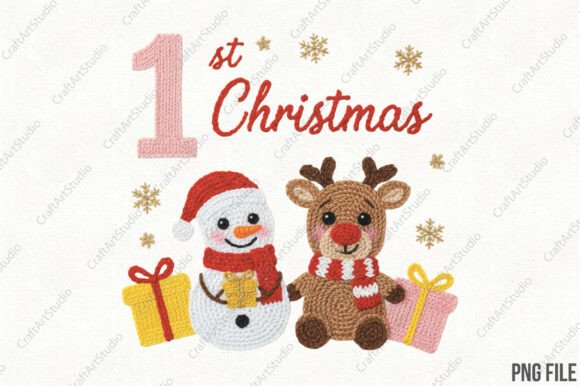
Review: Latch Hook Embroidery 1st Christmas Design
As a designer who spends half my life staring at stitch simulations and the other half untangling thread from actual hoops, I have learned to be skeptical of digital assets. We are constantly bombarded with design assets that look crisp on a screen but turn into a bird’s nest of broken needles on fabric. When I first pulled up the Latch Hook Embroidery 1st Christmas file, I was looking for more than just cute holiday aesthetics. I was looking for structural integrity, visual balance, and commercial viability.
This review is not about whether the design is "pretty." It is about whether it works. I evaluated this piece from the perspective of a small business owner and embroidery technician who needs to deliver high-quality handmade products to clients who expect perfection. Here is my practical breakdown of how this graphic performs in real-world scenarios.
First Impressions and Visual Personality
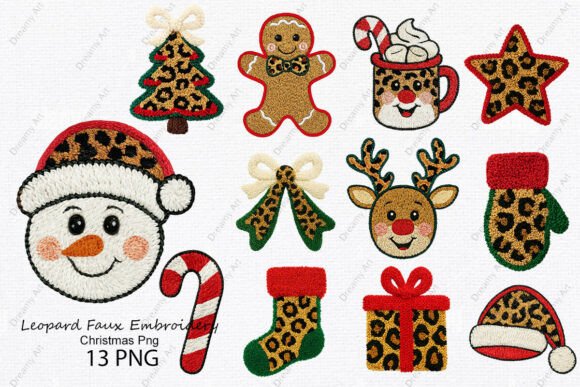
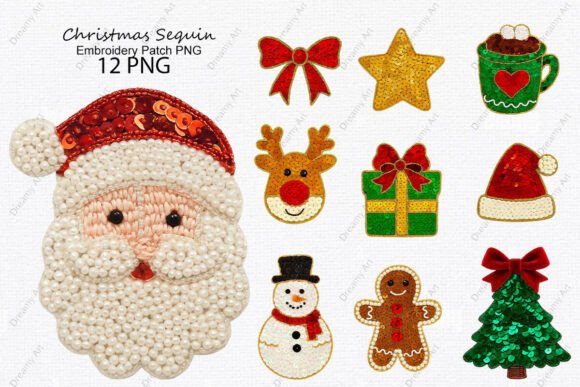
The immediate appeal of Latch Hook Embroidery 1st Christmas lies in its nostalgic texture. The term "latch hook" implies a specific, chunky, yarn-based aesthetic that translates surprisingly well into digital Illustrations. The design carries a cozy, handmade mood that resonates deeply with the current market trend toward rustic and retro holiday decor. It does not feel sterile or overly corporate; instead, it feels like something you would find in a grandmother’s attic, which is exactly the vibe many customers are seeking for their personalized gifts.
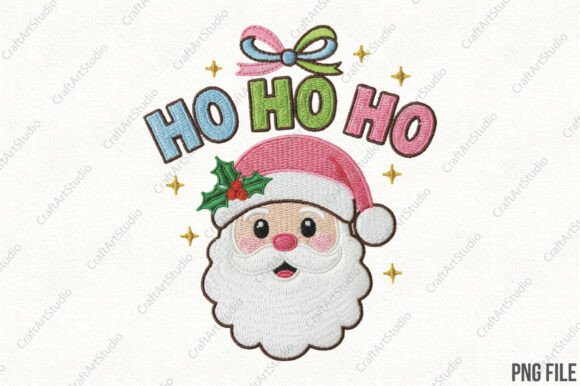
Visually, the layout is balanced. The elements are distinct enough to be recognizable without requiring microscopic precision. For an embroidery designer, this is crucial. Overly complex details often get lost in translation when converted from a PNG or vector into actual thread. This design respects the limitations of the medium. It suggests texture rather than forcing every single pixel into a stitch, which allows for a cleaner finished product.
Real-World Application: The Tote Bag Test
To test the versatility of this design, I mentally placed it on several common substrates. My primary test case was a heavy canvas tote bag design. Canvas is forgiving, but it requires a design that can hold its own against the coarse weave. The bold lines and substantial visual weight of Latch Hook Embroidery 1st Christmas perform exceptionally well here. The design does not disappear into the fabric texture; instead, it sits on top of it, creating a lovely contrast between the smooth embroidery threads and the rough canvas.
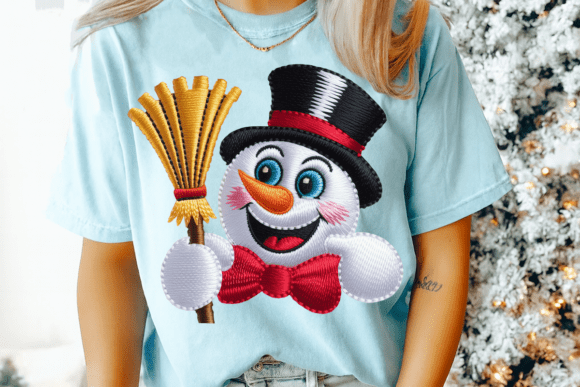
I also considered this for sweatshirt embroidery. Holiday apparel is a massive revenue stream for any Etsy seller or craft business. On a fleece or cotton-blend sweatshirt, this design would likely require a cut-away stabilizer to prevent puckering, given the potentially dense nature of mimicking a latch-hook look. However, the result would be a premium-looking garment. It moves beyond generic clip art and becomes a statement piece. Customers are willing to pay more for items that look like intentional custom apparel rather than mass-produced prints.
Navigating Technical Constraints
While the aesthetic is strong, we must address the technical realities. The product description notes that you receive high-resolution PNG files (300 dpi, 12x12 inches). It is vital to understand that a PNG is a raster image, not a native machine embroidery design file like PES or DST. This means you will need to use digitizing software to convert this graphic into stitches, or use it as a reference for manual digitizing.
If you are digitizing this yourself, pay close attention to stitch density. A latch-hook effect relies on the illusion of thick yarn. If you simply auto-digitize this PNG, you risk creating a solid block of satin or fill stitches that looks flat and stiff. To capture the true spirit of the design, consider using a combination of fill stitch patterns with varied angles to mimic the chaotic yet organized nature of yarn loops. Avoid excessive satin stitch borders unless they are thin, as wide satin columns can snag easily on textured fabrics.
Be cautious with hoop size. While the image is 12x12 inches, stitching a design of this complexity at full scale requires a large hoop and a sturdy machine. If you are working with smaller items, such as baby clothes or caps, you must scale the design down carefully. Tiny details may merge together if the design is reduced too much. Always run a test stitch-out on scrap fabric of the same type you intend to use for the final embroidery project.
Fabric and Stabilizer Considerations
The success of any commercial embroidery job depends heavily on the interaction between thread, fabric, and stabilizer. For Latch Hook Embroidery 1st Christmas, I recommend using a polyester thread for its sheen and durability, especially if the item will be washed frequently. Cotton threads may fray faster, breaking the illusion of the soft latch-hook texture.
When working on stretchy fabrics like t-shirts or knit baby items, a fusible cut-away stabilizer is non-negotiable. The design has enough visual mass that it could pull or distort lightweight knits if not properly supported. For darker fabrics, ensure your digitizing includes an underlay that matches the top thread color to prevent the fabric from showing through the stitches. This is particularly important for maintaining the visual appeal and professionalism of the piece.
Commercial Viability and Brand Consistency
For small shop product lines, consistency is key. This design fits seamlessly into a broader collection of holiday embroidery themes. It pairs well with other rustic or vintage-inspired graphics. Using high-quality Graphics like this helps build brand trust. When a customer sees a clean, well-executed design, they perceive higher value. It signals that the maker cares about quality, which encourages repeat business and positive reviews.
Furthermore, this design is excellent for creating printable mockup materials for your online store. Because the original file is high resolution (3600 x 3600 px), you can create stunning digital previews for your Etsy listings or website without needing to physically stitch every color variation. This saves time and resources while still showcasing the potential of the embroidered patch or apparel item.
Final Designer Notes
Before you commit to a large production run, keep these practical tips in mind:
- Test on Scrap Fabric: Never skip this step. Check how the stitches interact with your specific material.
- Check Thread Contrast: Ensure your thread colors pop against the fabric background. High contrast enhances readability.
- Verify Licensing: Confirm the terms of use for the PNG file. Ensure you have the right to use it for commercial craft business items.
- Inspect Small Details: Zoom in on the digital file to identify any pixels that might cause stitching errors during digitizing.
- Consider the End Use: If the item is for a baby, ensure all threads are secure and no small parts can detach.
In conclusion, Latch Hook Embroidery 1st Christmas is a strong contender for your holiday lineup. It offers a unique textural aesthetic that stands out in a crowded market. With careful digitizing and proper stabilization, it can elevate your custom apparel and home decor offerings. It is not just a clip art file; it is a foundation for a high-quality, tactile personalized gift that customers will cherish. Treat it with the technical respect it deserves, and it will reward you with beautiful, sellable results.