Review: Cute Happy Baby Elephant Design
As an embroidery designer who has spent years digitizing files for small businesses, I approach every new machine embroidery design with a critical eye. It is not just about whether the image looks cute on a screen; it is about how that design translates into thread, how it holds up on fabric, and ultimately, how it serves the brand identity of the client using it. Recently, I had the opportunity to review the Cute Happy Baby Elephant Embroidery Design, a piece categorized under Wild Animals but styled with a minimalist charm that appeals far beyond traditional nature themes. This review focuses on its viability for commercial embroidery projects, specifically for small business merch, custom apparel, and branded accessories.
First Impressions: Minimalist Charm Meets Professional Simplicity
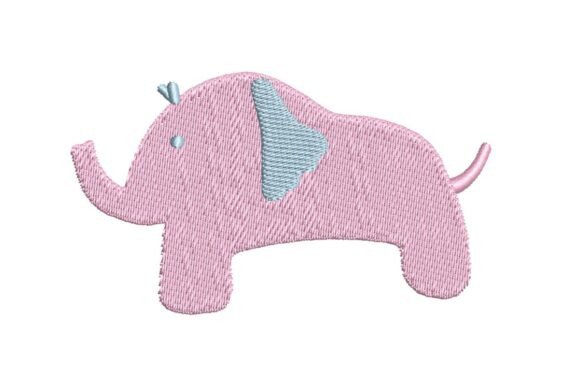
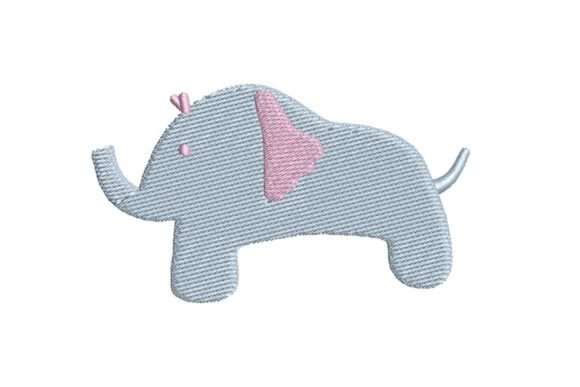
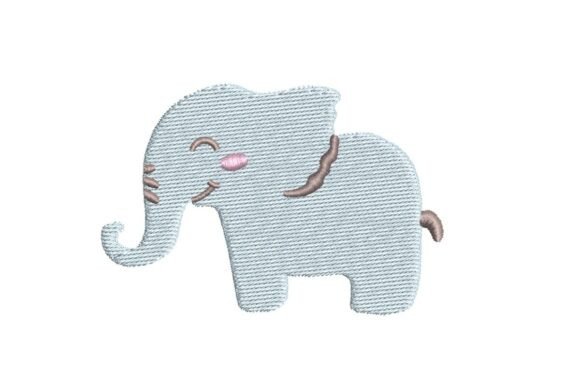
The first thing that strikes you about the Cute Happy Baby Elephant Embroidery Design is its restraint. In a market saturated with overly complex, high-stitch-count designs that often pucker fabric or break needles, this design offers a breath of fresh air. The description highlights a soft light blue base with delicate pink details on the ears and tail. From a design perspective, this color palette suggests warmth, approachability, and gentleness. It does not scream for attention; instead, it invites it.
For a professional embroiderer, "minimalist" is often code for "manageable." This design feels friendly and playful, yet it maintains a level of elegance that prevents it from looking childish or amateurish. This balance is crucial for small business owners who want their merchandise to feel premium rather than like a cheap giveaway. The clean lines suggest that the digitizer prioritized stitch flow and reduced unnecessary jumps, which is a strong indicator of a high-quality digital embroidery file.
Real-World Applications for Small Business Merchandise
When evaluating a design for business use, I always ask: where does this live? The Cute Happy Baby Elephant Embroidery Design is versatile, but it shines brightest in specific contexts. Here is how I envision this asset working in a real-world commercial setting:
- Branded Patches: This is arguably the strongest use case. An embroidered patch featuring this elephant could serve as a charming logo accent for boutiques, bakeries, or pet brands. The simple shapes translate well to the raised texture of a patch, creating a tactile, high-value item that customers love to collect.
- Apron Embroidery: For florists, baristas, or artisan bakers, placing this design on the chest pocket of an apron adds a touch of personality without overwhelming the uniform. The soft blue and pink tones complement neutral linen or canvas fabrics beautifully.
- Tote Bag Design: Canvas tote bags are a staple for eco-friendly brands. A centered, medium-sized placement of this elephant creates an instant connection with customers who value kindness and sustainability. The design’s simplicity ensures it remains legible even on textured canvas.
- Cap Embroidery: While caps can be tricky due to curvature, a minimalist design like this works well on the side panel or even the front, provided the size is adjusted correctly. It offers a subtle branding opportunity for creative studios or local cafes.
- Customer Gifts and Packaging: Small businesses often include freebies with orders. A small iron-on or sew-on patch of this elephant can elevate the unboxing experience, turning a standard transaction into a memorable brand interaction.
Technical Considerations and Production Notes
While the aesthetic appeal is high, practical execution requires attention to detail. As a designer, I must advise caution regarding scale and fabric choice. The stitch density of any design determines how it behaves on different materials. Because this design features delicate pink details, maintaining contrast is key.
Before running a full production batch, you must test the Cute Happy Baby Elephant Embroidery Design on your specific fabric. Textured fabrics, such as terry cloth or heavy denim, may swallow up fine details. If you are using this for an embroidered patch, ensure your stabilizer is robust enough to prevent distortion during the cutting process. For direct-to-garment applications, such as work shirts or uniforms, consider the fabric weight. Lightweight jerseys may pucker if the stitch count is too high for the area, so checking the recommended hoop size and actual dimensions is essential.
Another critical factor is color contrast. The soft light blue and delicate pink are lovely, but they may lack visibility on dark uniforms. If you plan to use this on navy or black apparel, you might need to adjust the thread colors or add a white underlay or border to make the design pop. Always create a printable mockup or run a physical test stitch to confirm visibility before committing to client orders.
Impact on Brand Identity and Customer Trust
Why choose this specific elephant over another? The answer lies in brand psychology. The Cute Happy Baby Elephant Embroidery Design conveys trust, care, and happiness. For a handmade product seller on Etsy or a local boutique, these emotions are currency. When a customer sees a well-executed, charming design on a tote bag or apron, it signals that the business pays attention to detail. It enhances the perceived value of the finished product.
Consistency is also vital. If your brand assets include other nature-inspired or soft, rounded elements, this design fits seamlessly into your visual ecosystem. It helps build recognition. Over time, that little blue elephant becomes synonymous with your brand’s promise of quality and kindness. It is not just decoration; it is a strategic design asset that supports your overall marketing efforts.
Designer’s Checklist for Commercial Use
Before you purchase or deploy this embroidery file for your next campaign, run through this quick checklist to ensure professional results:
- Verify Licensing: Confirm that the file comes with a commercial license. Never assume a digital download is free for resale or client work. Check the terms explicitly.
- Check File Formats: Ensure the download includes the format compatible with your machine (e.g., PES, DST, JEF). The product description does not specify formats, so verify this before purchase.
- Test Stitch-Out: Always stitch a sample on the actual fabric you intend to use. Check for thread breaks, nesting, or puckering.
- Evaluate Scale: Does the design hold its integrity at the size you need? Shrink it down to one inch to see if the pink details merge into the blue. If so, you may need a larger placement area.
- Review Thread Colors: Match the digital colors to your physical thread inventory. Soft pastels can look muddy if the thread quality is low or if the lighting is poor.
- Consider Stabilizer: Use the appropriate stabilizer for your fabric type. Cut-away for stretchy knits, tear-away for stable wovens.
In conclusion, the Cute Happy Baby Elephant Embroidery Design is a strong contender for small businesses looking to add a touch of warmth and professionalism to their merchandise. It balances aesthetic appeal with technical manageability, making it a reliable choice for everything from custom apparel to branded patches. By respecting the technical limitations and leveraging its emotional appeal, you can turn this simple Wild Animals category design into a powerful tool for brand engagement. Just remember to test, verify, and stitch with precision to ensure every piece reflects the quality your customers expect.