Cactus Embroidery Design Collection Review
As a designer who spends more time staring at stitch simulations than I do sleeping, I have developed a healthy skepticism for digital embroidery files. We all know the promise: a quick download, a few clicks, and suddenly you have a best-selling product. The reality is often messier. Thread breaks, puckering, and designs that look crisp on screen but turn into a tangled mess on fabric are common pitfalls. That is why I approached the Cactus Embroidery Design Collection with a critical eye, looking not just at the aesthetic appeal, but at its practical viability for real-world projects.
This collection falls under the category of Single Flowers, though it leans heavily into the botanical and structural rather than the traditional floral. It brings a modern, southwestern vibe that feels timely without being overly trendy. But does it hold up under the needle? I loaded the files into my software, ran test stitches on various fabrics, and evaluated how these designs would perform for clients, Etsy listings, and personal gifts. Here is my honest assessment of using this collection in a professional setting.
First Impressions and Visual Personality
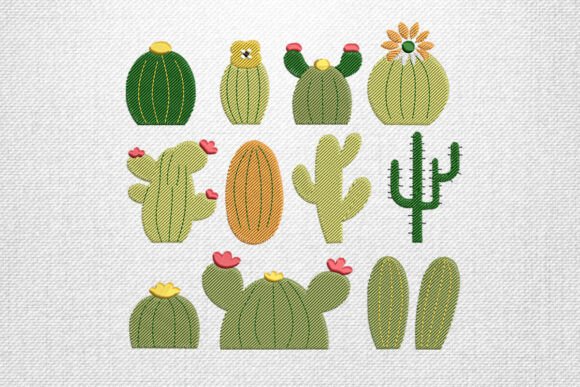
The immediate standout feature of the Cactus Embroidery Design Collection is its playful yet structured silhouette. In the world of Embroidery, shape is everything. If the outline is weak, the design gets lost. These cactus shapes have strong, defined edges that translate well to satin stitch or dense fill stitch applications. The variety in the set means you are not stuck with one generic prickly pear; you get textures and forms that suggest depth without requiring thousands of unnecessary stitches.
The mood is cheerful and resilient, perfect for adding a desert-inspired charm to otherwise plain items. For a designer, this visual personality is a asset. It allows for versatility. You can position a single small cactus as a subtle accent on a pocket, or cluster several together for a bolder statement piece. The balance between negative space and stitch density appears well-considered, which is crucial for maintaining the integrity of the fabric, especially on lighter materials.
Real-World Application: The Tote Bag Test
To truly evaluate a machine embroidery design, you have to put it on a product. I chose a canvas tote bag for my primary test. Tote bags are a staple for Etsy sellers and craft business owners because they are high-visibility items. Customers carry them around, essentially becoming walking advertisements for your work.
I selected a mid-sized cactus from the collection to place on the lower corner of the bag. The result was impressive. The design retained its clarity even on the textured weave of the canvas. This is where the quality of the embroidery file matters. Poorly digitized files often struggle with textured fabrics, causing the stitches to sink into the weave or pull unevenly. However, the stitch path in this collection seemed robust. The thread colors I chose—vibrant greens against natural beige—popped nicely, creating a high-contrast look that appeals to buyers looking for unique, handmade product options.
This success translates directly to other items. Imagine this same design on a sweatshirt embroidery project. The softness of fleece requires careful attention to stitch density, but the open nature of many cactus shapes in this set suggests they would sit well on thicker fabrics without causing excessive stiffness. For custom apparel, this means comfort is maintained, which is a key selling point for customers.
Navigating Fabric Challenges and Hoop Constraints
While the designs performed well on canvas, I did encounter considerations when moving to trickier materials. If you are planning to use these on thin or stretchy fabrics, such as those used for baby embroidery items or lightweight tees, caution is advised. Any design with significant coverage needs proper support.
I recommend using a cut-away stabilizer for garments that will be washed frequently, like kitchen towel sets or aprons. The southwestern theme fits perfectly with home goods, but towels undergo rigorous washing cycles. A tear-away stabilizer might leave residue or fail to prevent puckering over time. For embroidered patch creation, which is another excellent use case for this collection, a heavy-duty stabilizer is non-negotiable to ensure the patch holds its shape when cut out.
Another factor is hoop size. While the collection offers variety, always check the dimensions of the specific design you intend to use against your machine’s maximum hoop capacity. Some of the larger, more detailed cacti might require a 5x7 or larger hoop. If you are working with a smaller 4x4 hoop, you may need to scale down the design. Be careful here: scaling down too much can cause small details to merge, turning distinct spines into a blurry blob. Always run a test stitch on scrap fabric before committing to your final finished product.
Commercial Viability and Brand Consistency
For small shop product lines, consistency is key. The Cactus Embroidery Design Collection offers a cohesive look that can help build brand recognition. If you are selling personalized gift items, such as monogrammed pillows or holiday embroidery decorations, having a set of designs that share a similar artistic DNA makes your shop look professional and curated.
From a commercial standpoint, these designs serve as strong design assets. They can be used in printable mockup previews to gauge customer interest before you even stitch a single thread. This is a smart strategy for digital embroidery file sellers or those who want to minimize waste. By creating high-quality images of the design on various backgrounds, you can test market response on social media or your website.
However, always verify the licensing terms. Just because a design is beautiful does not mean it is free for unrestricted commercial use. Ensure that your intended use—whether selling physical custom apparel or distributing the digital file itself—aligns with the creator’s license. This protects your craft business from legal issues and ensures you are respecting the intellectual property of the digitizer.
Practical Designer Notes for Best Results
To get the most out of this collection, keep these technical tips in mind:
- Test on Scrap First: Never skip this step. Fabric tension and thread type vary wildly. A test stitch reveals potential nesting or breaking issues.
- Check Contrast: Cactus greens can blend into dark fabrics. Use light-colored threads on dark garments, or consider adding a white underlay or border to make the design pop.
- Review Stitch Density: If a design feels too stiff after stitching, try reducing the density slightly in your editing software, if you have access to it, or choose a design with more running stitch elements.
- Inspect Small Details: Zoom in on your simulation. Are the tiny spines distinguishable? If not, simplify the design or increase the size.
- Mockup in Black and White: This helps you see the value and structure of the design without the distraction of color. If it looks good in grayscale, it will look good in color.
In conclusion, the Cactus Embroidery Design Collection is a solid addition to any designer’s library. It bridges the gap between whimsical charm and professional execution. Whether you are creating a tote bag design for a local market, stitching up holiday gifts for family, or building a catalog for your online store, these designs offer the reliability and aesthetic appeal needed to succeed. Just remember to respect the technical constraints of your machine and materials, and you will find these cacti thriving in your portfolio.